
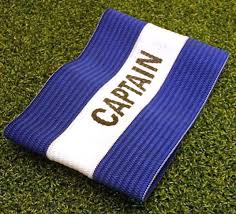
A great sports team captain can have a huge impact on a team’s performance, culture and overall experience. While skill and ability are important, the role of a captain goes far beyond what happens on the pitch.
Whether at grassroots level or elite sport, a strong captain helps bring a team together, supports individuals and sets the standard for how the team operates.
In this article, we explore what makes a great sports team captain and the key qualities that define effective leadership in sport.
Strong communication skills
One of the most important qualities of a great captain is the ability to communicate clearly and effectively.
Captains act as the link between players and coaches, so they need to:
- share information clearly with teammates
- listen to concerns and feedback
- represent the team in discussions with coaches or officials
Good communication also helps build trust within the team and ensures everyone feels heard and valued.
Leads by example
A captain sets the tone for the team through their actions.
This includes:
- work rate in training and matches
- attitude and behaviour
- commitment and professionalism
When a captain consistently demonstrates high standards, it encourages others to do the same. Leadership is not just about what you say, but what you do.
Builds team spirit
A great captain understands the importance of team culture.
They help to:
- create a positive and inclusive environment
- bring players together
- support new or less confident teammates
At grassroots level especially, feeling part of a team can be just as important as results. A captain plays a key role in making sure everyone feels included and supported.
You can explore more ways to create a positive team environment in our guide to how sports clubs can grow girls’ participation.
Supports and encourages others
Not every player will feel confident all the time, and a good captain recognises this.
They:
- encourage teammates during matches
- offer support after mistakes
- celebrate effort as well as success
This helps build confidence across the team and creates a more supportive environment where players can develop.
Stays calm under pressure
Sport can be emotional, especially in competitive situations. A great captain remains calm and focused, even in difficult moments.
This might include:
- handling disagreements
- responding positively to setbacks
- keeping the team focused during challenging matches
A calm captain helps steady the team and prevents situations from escalating.
Takes responsibility
Captains are willing to take responsibility, both when things go well and when they don’t.
They:
- take ownership of their role
- support the team during difficult moments
- help address challenges rather than avoid them
This sense of accountability builds respect and trust within the team.
Understands the team
Every team is different, and a great captain takes time to understand the people within it.
This includes:
- recognising different personalities
- understanding what motivates teammates
- adapting their approach to support individuals
By understanding the team, a captain can lead in a way that works for everyone.
Promotes respect and fair play
Captains play an important role in setting standards for behaviour.
They:
- show respect to teammates, opponents and officials
- encourage fair play
- help maintain a positive reputation for the team
This is especially important in youth and grassroots sport, where behaviour can shape long-term attitudes towards sport.
You may also find it useful to read our article on how to organise a sports tournament, which includes tips on creating a positive environment for players and teams.
Why captains matter in grassroots sport
In grassroots sport, the captain’s role can be even more important than at higher levels.
Captains help:
- create a positive first experience of sport
- support player retention
- build confidence and leadership skills in others
For girls’ sport in particular, strong leadership can play a key role in encouraging participation and helping players feel comfortable and supported. Our guide on how to get sponsors for a sports team or tournament also explores how strong team culture can support long-term growth.
Final thoughts
A great sports team captain is not just the most skilled player, but someone who leads, supports and brings the team together.
By communicating effectively, leading by example and creating a positive team environment, captains can have a lasting impact on both performance and player experience.
Developing strong captains is not only beneficial for teams, but also helps build confidence, resilience and leadership skills that extend far beyond sport.


