
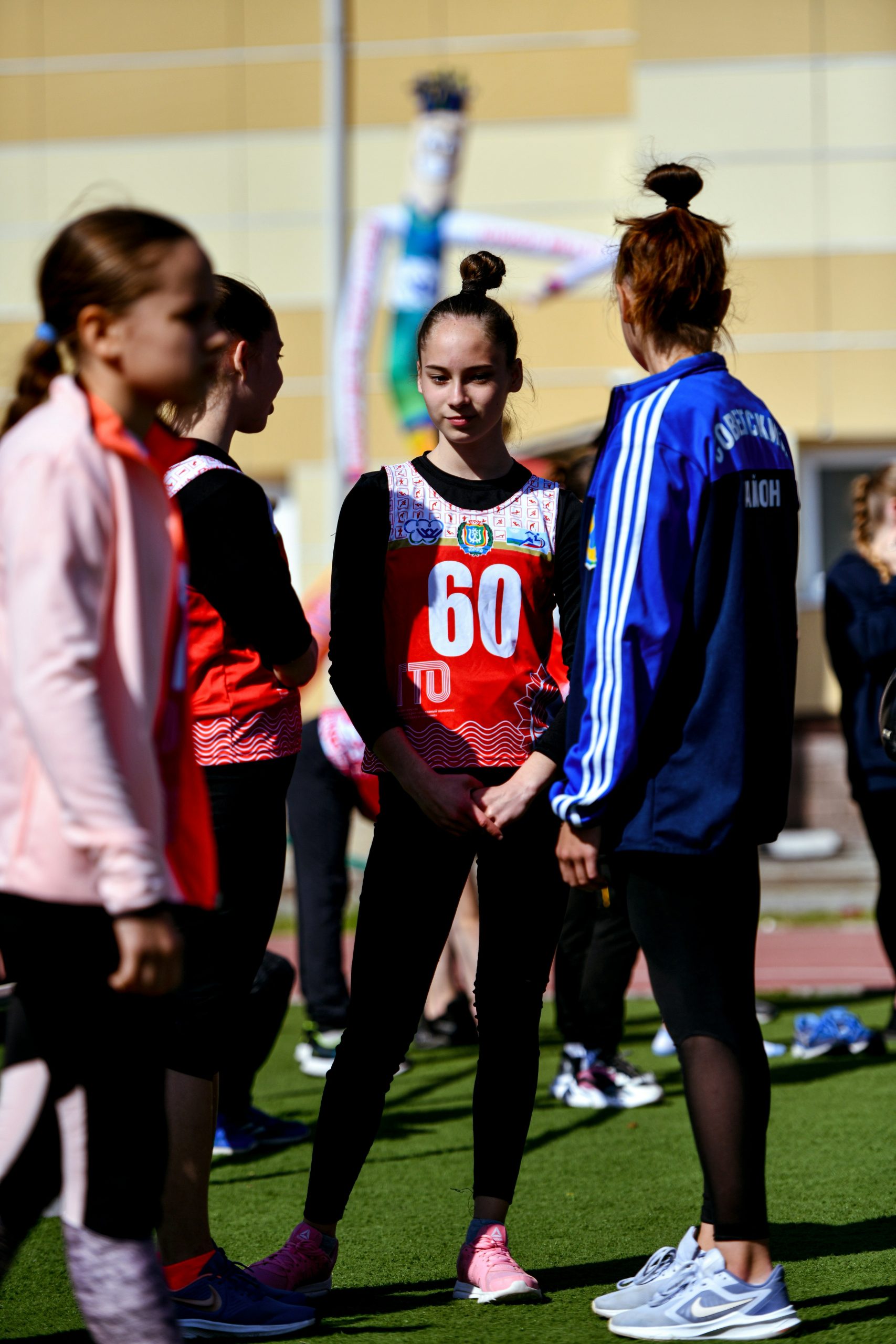
In recent years, the landscape of sport has begun to shift. Where male athletes once dominated headlines and highlight reels, we are now witnessing a powerful emergence of female talent across a wide range of disciplines. From football pitches to Olympic arenas, women are excelling, inspiring, and leading the charge for change. But visibility is only the first step. For young girls especially, the presence of positive female role models in sport is essential.
Breaking barriers and stereotypes
Historically, sport has been seen as a male-dominated arena, often defined by outdated gender roles and stereotypes. Female athletes who broke through were often scrutinised more for their appearance than their performance. Today, we are seeing those narratives challenged and rewritten by women who refuse to be defined by anything other than their skill, determination, and resilience.
Positive role models like Serena Williams, Leah Williamson, Simone Biles, and Katie Taylor have shown that excellence in sport knows no gender. They’ve not only risen to the top of their games but have done so with integrity, strength, and a clear message: girls belong in sport.
The power of representation
Representation matters. When young girls see women who look like them achieving incredible things, it opens doors in their minds about what’s possible. Whether it’s a girl in a small town watching the Lionesses lift the UEFA Women’s Euro trophy, or a budding gymnast watching Ellie Downie compete on the world stage, these moments plant the seeds of ambition.
But it’s not just about the elite level. Local coaches, PE teachers, and community players are equally important. When young girls have access to female mentors and leaders in grassroots sport, they gain confidence, develop resilience, and are more likely to stay engaged and active through their teenage years – a time when many drop out of sport due to social pressures and lack of encouragement. We talk about the importance of sport at this age in one of your other blog posts.
Beyond the field
The influence of female role models in sport extends well beyond the pitch or court. These women embody values that apply across all areas of life: teamwork, perseverance, leadership, and self-belief. They also provide counter-narratives to narrow beauty standards and social expectations that still persist for young women.
Furthermore, many female athletes are using their platforms to advocate for wider social issues, including mental health, racial equality, and gender parity in pay and resources. This activism shows that being a role model isn’t just about sporting achievement – it’s about using your voice to lift others up.
Creating a lasting impact
For the momentum to continue, it’s crucial that media, governing bodies, and communities invest in female sport at all levels. Equal pay, access to facilities, media coverage, and leadership opportunities are all part of the equation. But so is visibility – consistent, meaningful representation that goes beyond tokenism and celebrates the depth of talent, drive, and diversity among women in sport.
Parents, teachers, and policymakers also have a role to play. Encouraging girls to try different sports, providing them with female coaches or mentors, and highlighting stories of women in sport are small but significant steps.
Positive female role models in sport don’t just inspire the next generation of athletes – they change the game for everyone. They challenge stereotypes, redefine success, and prove that sport is a place for every girl who dreams big. By celebrating and supporting these role models, we create a sporting culture that is not only inclusive but transformative.
The future of sport is female – and it’s brighter because of the women leading the way.


