
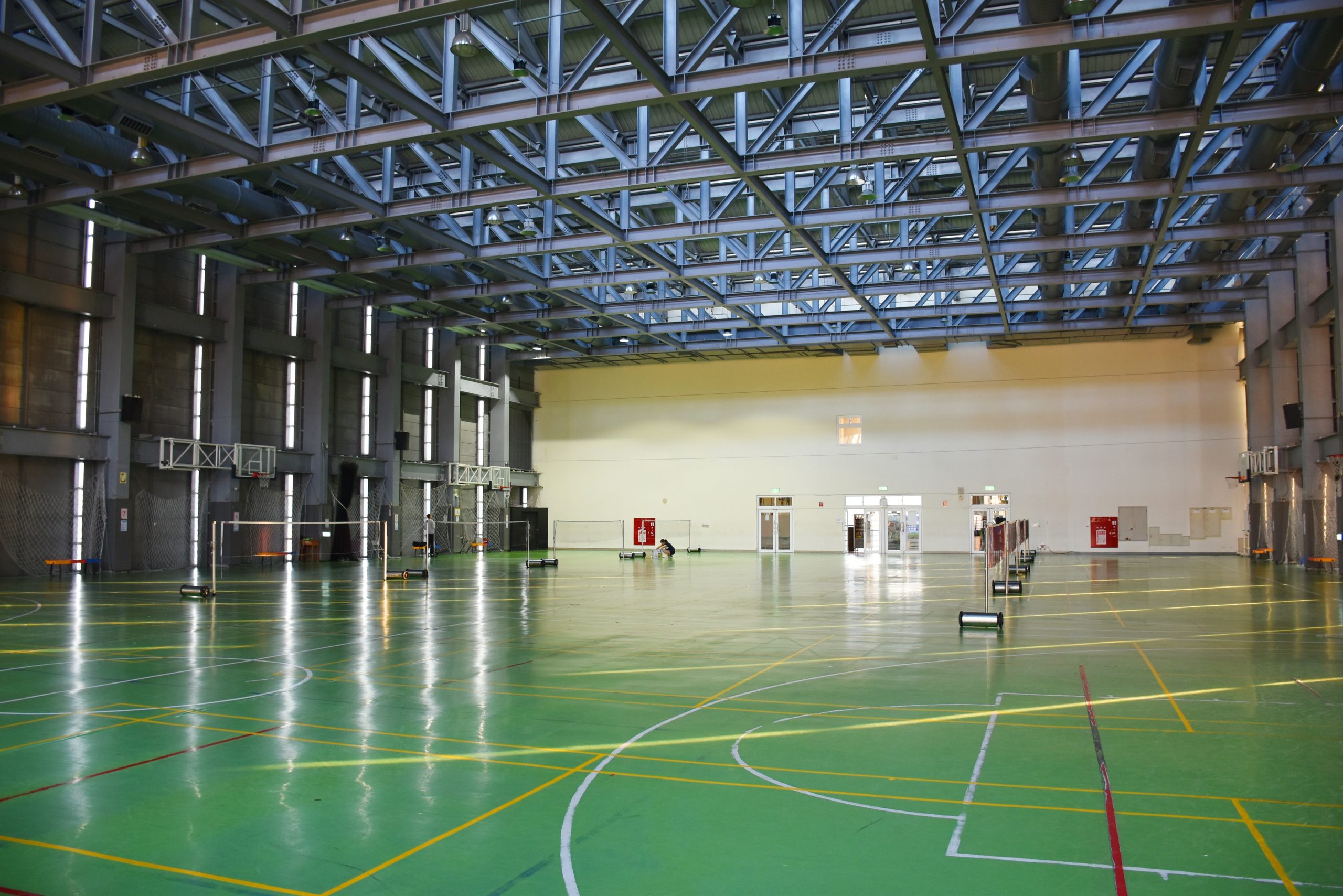
While women’s sport is gaining long-overdue recognition on the national stage, many communities still face a stark imbalance in the quality and availability of facilities for women and girls. Grassroots access remains a pressing issue, from limited pitch time to outdated changing areas. If we want to encourage more women to get involved in sport, we must start by improving the spaces where that participation begins. The good news? Change often starts at the local level, and your voice can make a real difference.
If you’re passionate about improving sports opportunities for women where you live, here’s how to get started.
1. Understand the current landscape
Begin by assessing the current state of sports facilities in your area. Ask yourself:
- Are there enough safe and accessible sports spaces for women and girls?
- Are the existing facilities inclusive, well-maintained, and equipped with appropriate amenities such as changing rooms and lighting?
- Are women’s teams getting equal time slots and visibility compared to their male counterparts?
Gather evidence through local surveys, conversations with community members, or by speaking to local sports clubs and schools.
2. Raise awareness
Sometimes the issue is simply visibility. Share stories and statistics about the lack of women’s facilities and how it affects participation. Use social media, community noticeboards, and local newsletters to highlight the disparity.
Personal stories can be especially powerful. For example, a local girls’ team struggling to find training space can resonate more than abstract numbers.
3. Form alliances
Join forces with like-minded individuals, parents, athletes, or local organisations who also want to see change. A collective voice is louder and harder to ignore. Reach out to:
- Local women’s sports teams
- Community leaders
- Health and fitness advocates
- Schools and youth organisations
Together, you can organise meetings, attend council sessions, and apply for grants or sponsorships. If you want more advice on how to develop local partnerships then we have a blog post on the subject.
4. Engage with Local Authorities
Attend council meetings and speak during public comment sessions. Present your findings and clearly explain what improvements are needed and why. Be respectful but firm in advocating for:
- Equal funding for women’s sports programmes
- Safe and suitable facilities
- Prioritised access for female teams
Having petitions or letters of support from community members can strengthen your case.
5. Showcase the demand
Host or promote local women’s sports events to demonstrate interest and need. Events like girls’ football tournaments, fitness workshops, or fun runs can highlight the demand for better facilities and show that investment will be well-used. Check out our post on how to organise a girls’ sports event for more help with this.
Invite local press and councillors to these events to witness the enthusiasm and challenges firsthand.
6. Use the power of media
Write letters to local newspapers, blogs, or radio stations. Share compelling images, testimonials, and updates on social media. Media attention can put pressure on decision-makers and help build wider public support.
7. Apply for funding
If budget constraints are a barrier, look into alternative sources of funding. Charities, sports foundations, and corporate sponsors often support initiatives that promote inclusivity and community health.
Put together a solid proposal that outlines the benefits of the project, estimated costs, and how the investment will be used. We have some top tips for funding applications which might be useful.
8. Stay persistent and positive
Change rarely happens overnight. Keep the momentum going by staying in touch with your allies, celebrating small wins, and continuing to engage with your community and local government.
Advocating for better women’s sports facilities is an investment in the health, confidence, and future of girls and women in your community. Your voice matters – and when joined with others, it can lead to lasting, meaningful change.
Whether you’re a parent, coach, athlete, or supporter, your efforts can help level the playing field. Let’s ensure that every woman and girl has the opportunity to play, train, and compete in safe, supportive environments.


