
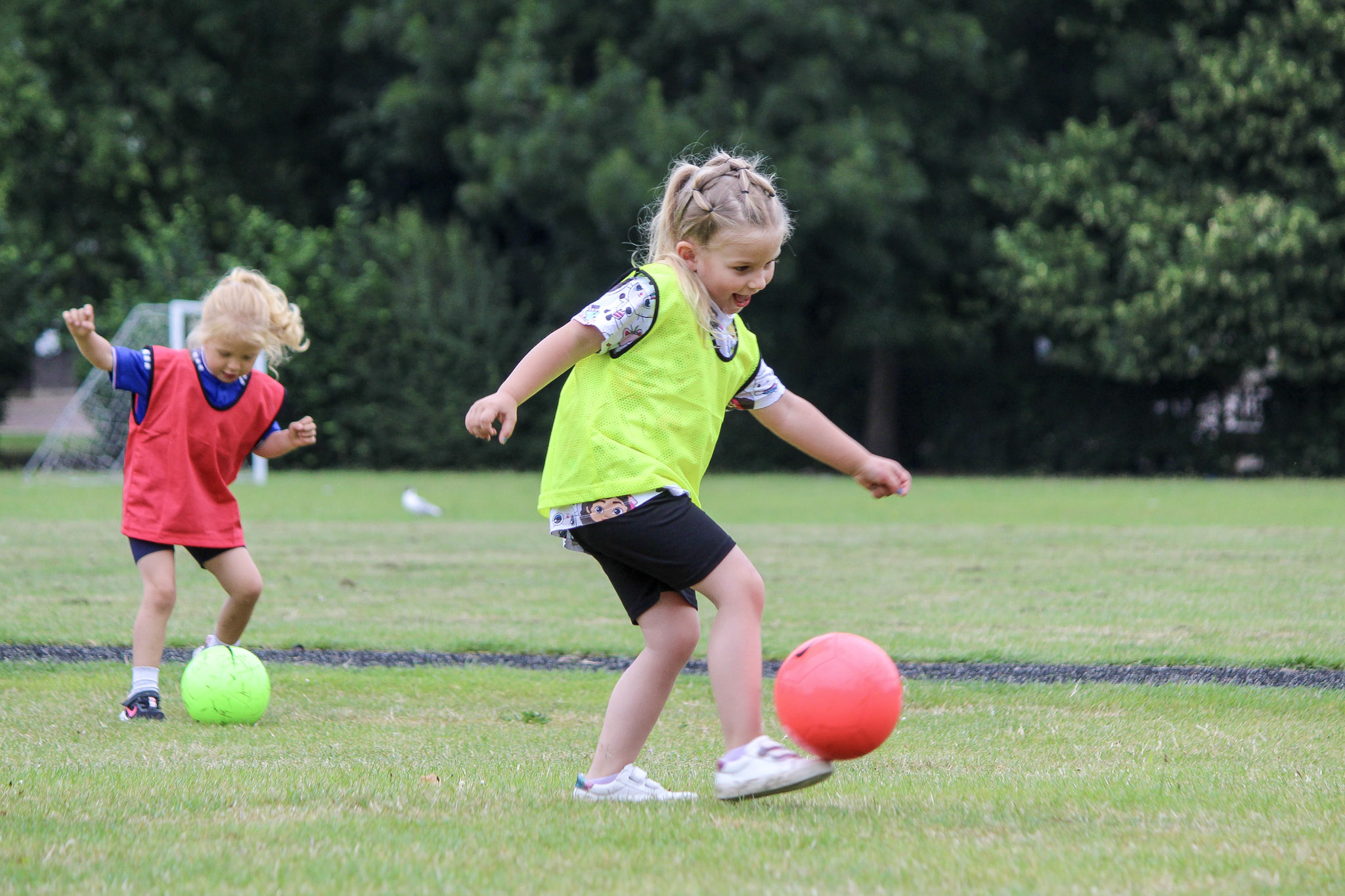
Sports play a vital role in the physical and mental well-being of young people, yet participation rates among girls remain significantly lower than those of boys. Many factors contribute to this disparity, including lack of encouragement, inadequate facilities, and outdated gender stereotypes. Schools have a crucial role to play in bridging this gap and ensuring that girls have equal opportunities to engage in sports. Here are some key strategies schools can adopt to better support girls in sports.
1. Creating an inclusive and encouraging environment
Many girls hesitate to participate in sports due to a lack of confidence or fear of judgement. Schools should foster an inclusive culture where all students feel encouraged to take part in physical activities. This can be achieved by promoting positive role models, celebrating female athletes, and ensuring that sports are presented as an enjoyable and valuable activity for everyone. Here’s some more advice on how to create a safe and supportive environment.
2. Providing equal access to facilities and equipment
A common barrier to female participation in sports is unequal access to facilities and equipment. Schools should ensure that girls have the same opportunities as boys to use sports halls, playing fields, and changing rooms. Investing in appropriate sportswear and equipment specifically designed for girls can also help them feel more comfortable and confident in their abilities.
3. Expanding the range of sports offered
Traditional school sports programmes often focus on activities that may not appeal to all girls. Expanding the range of sports on offer, including dance, team sports, and martial arts, can encourage greater participation. Schools should also involve girls in decision-making processes regarding the types of sports and activities available.
4. Addressing gender stereotypes and bias
Outdated attitudes and stereotypes can discourage girls from engaging in sports. Schools should actively challenge these biases through education and awareness campaigns. This includes training teachers and coaches to be conscious of their language and attitudes, as well as promoting the achievements of female athletes across various disciplines.
5. Providing female role models and mentors
Having access to female coaches and role models can be incredibly inspiring for young girls. Schools should recruit more female sports staff and invite successful female athletes to speak with students. Creating mentorship programmes where older female students guide younger ones can also foster a supportive environment. We have a great blog post on mentoring girls in sport which can help with this.
6. Supporting girls through key life stages
Physical and emotional changes during puberty can make sports participation challenging for girls. Schools should provide education on managing these changes, including menstrual health, body confidence, and nutrition. Offering flexibility in sports uniforms and ensuring private, comfortable changing areas can also help girls feel more at ease.
7. Encouraging parental and community support
Parents and the wider community play a vital role in shaping girls’ attitudes towards sports. Schools should engage with parents through workshops and events that highlight the importance of physical activity. Establishing partnerships with local sports clubs and community organisations can also provide additional opportunities for girls to get involved in sports outside of school hours.
Supporting girls in sports requires a multi-faceted approach that addresses both structural and cultural barriers. By creating an inclusive environment, providing equal resources, offering diverse sports options, challenging stereotypes, and fostering mentorship, schools can help bridge the gender gap in sports participation. Ensuring that girls feel valued and empowered in physical activities will not only benefit their physical health but also boost their confidence, leadership skills, and overall well-being.


