
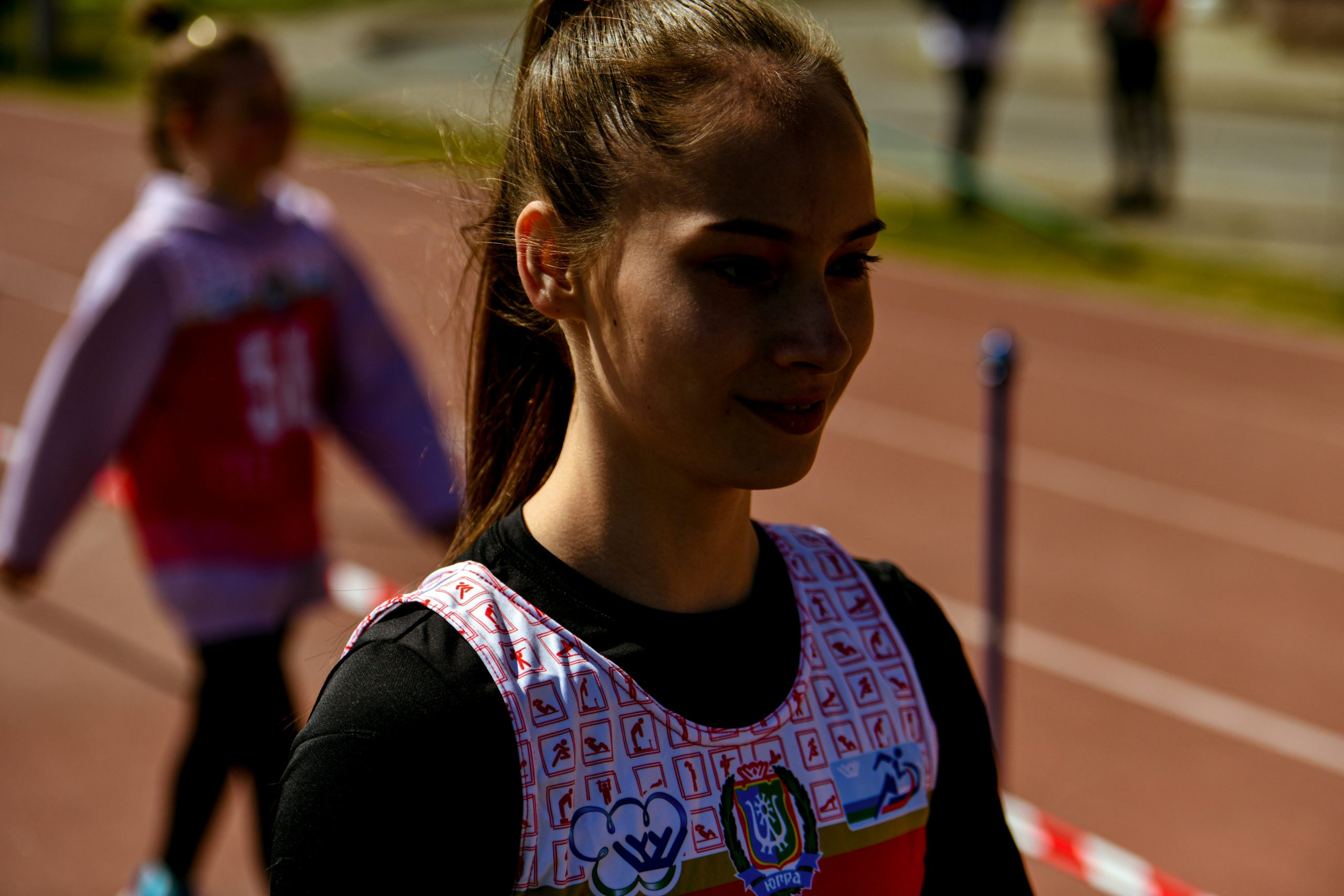
When people think about sport, they often picture competition, fitness and teamwork. But sport does far more than help players stay active or win medals. It’s also a powerful teacher, shaping qualities and skills that carry over into the classroom, workplace and beyond. From discipline to leadership, the lessons learned on the pitch can open doors in education and future careers.
Building discipline and time management
Sport demands commitment. Training sessions, matches and recovery all require careful planning and consistency. Students who play sport quickly learn how to balance study schedules with practice, developing discipline and time management skills that help them stay organised in every part of life. Whether it’s meeting coursework deadlines or preparing for exams, the structure that sport provides helps them manage their time effectively and handle pressure with focus.
Developing communication and teamwork
Team sport in particular strengthens communication and collaboration. Players learn how to express ideas clearly, listen to others and support teammates to achieve a shared goal. These same skills are vital in group projects, academic discussions and most modern workplaces. Even in individual sports, athletes rely on coaches, mentors and support staff, learning how to work effectively as part of a team.
Learning to handle success and failure
Sport teaches resilience like few other activities can. Every match, race or competition carries the chance of both victory and defeat. Learning to cope with setbacks, reflect on performance and come back stronger builds emotional intelligence and persistence. These qualities are just as valuable in education and careers, where progress often depends on the ability to adapt, learn from mistakes and keep striving for improvement.
Strengthening leadership and decision making
Captaining a team, mentoring younger players or leading training sessions all help young people develop leadership skills. Sport challenges individuals to make quick decisions, stay calm under pressure and inspire others. In education and the workplace, these abilities translate into strong leadership potential, helping future professionals manage projects, motivate colleagues and contribute to positive organisational cultures.
Promoting wellbeing and balance
Sport encourages a healthy lifestyle, which benefits both physical and mental wellbeing. Students and professionals who make time for sport or physical activity often report better concentration, lower stress and improved confidence. These benefits support learning, productivity and long-term success.
Preparing for the future
The skills gained through sport form a strong foundation for education and careers. Universities and employers increasingly recognise the value of applicants who can demonstrate teamwork, leadership, resilience and motivation – qualities often honed through sport.
From grassroots clubs to elite academies, sport helps young people develop not just as athletes, but as well-rounded individuals ready to take on future challenges. Whether on the pitch, in the classroom or at work, the lessons of sport last a lifetime.


