
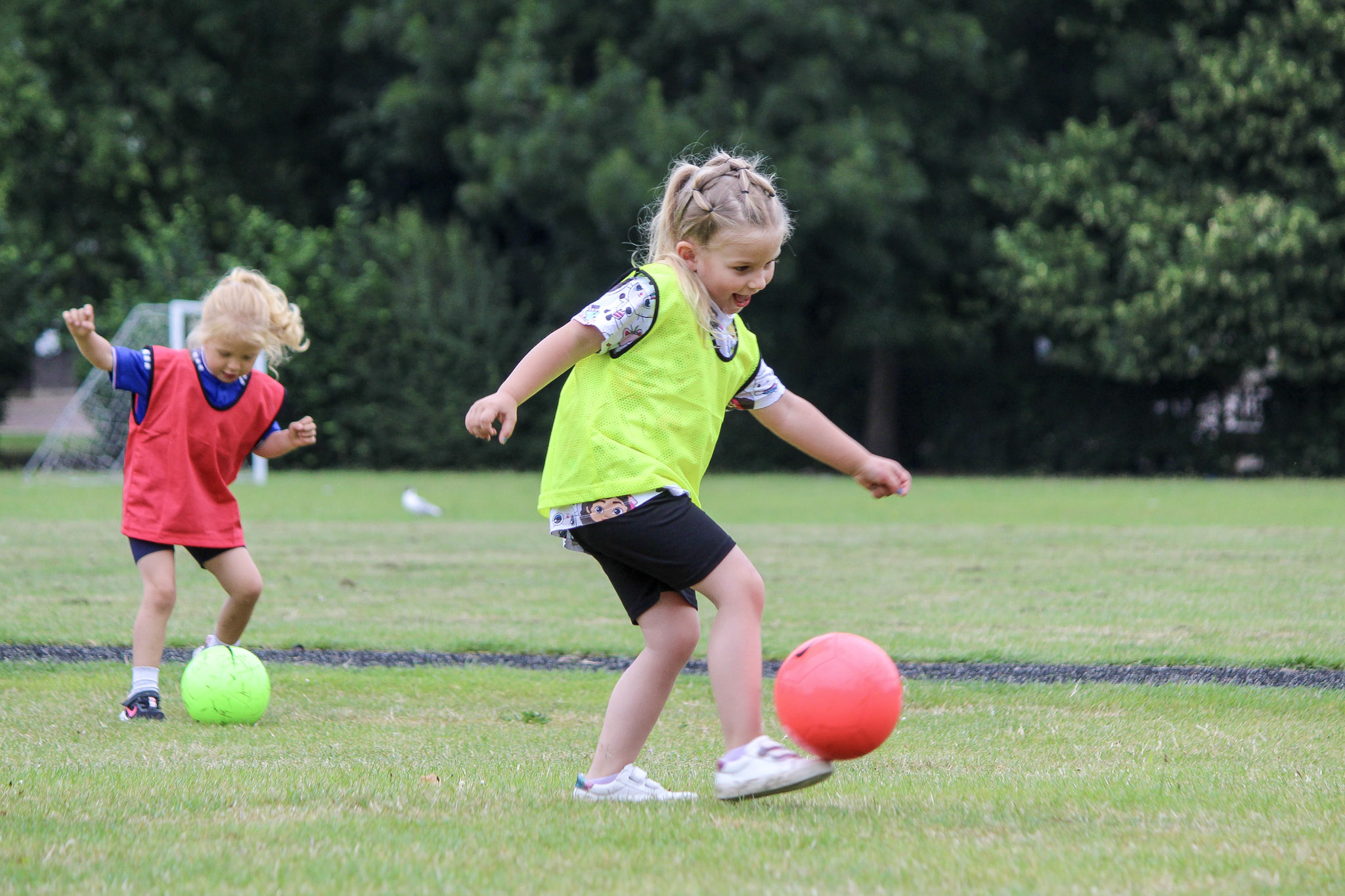
Every girl deserves the opportunity to experience the lifelong benefits of sport. From building confidence and friendships to improving physical and mental wellbeing, sport has the power to shape lives far beyond childhood. Yet, despite increasing participation in girls’ sport, too many girls still stop taking part during their teenage years and never return.
Creating lifelong sporting habits isn’t about recruiting more girls for one season. It’s about creating positive experiences that encourage girls to stay active throughout their lives.
Start with enjoyment
If girls enjoy sport, they’re far more likely to keep coming back. Too often, adults focus on results, league tables and performance. While competition can be motivating, enjoyment should always come first, particularly during a girl’s early sporting experiences.
Clubs should create environments where girls can:
- have fun
- make friends
- develop new skills
- celebrate personal progress rather than just winning.
We’ve previously explored why fun should come before competition and how this helps girls develop a lasting love of sport.
Create clear pathways
One of the biggest reasons girls leave sport is because they can’t see what comes next.
A club might offer an under-10 team but no under-12s. A school may have excellent extracurricular opportunities that disappear after Year 9. Without a clear pathway, many girls drift away. Organisations should think about the entire journey.
Could girls progress into:
- older age groups?
- coaching?
- officiating?
- volunteering?
- leadership opportunities?
Creating multiple ways to stay involved means sport remains part of their lives, even if their playing ambitions change.
Our article on building a girls’ pathway that lasts explores this in more detail. (Sport Sister)
Support girls through key life stages
Puberty, changing friendships, exam pressure and increasing social expectations can all affect participation.
Rather than accepting that girls naturally drop out of sport, organisations should ask:
- Are training times still suitable?
- Is the environment welcoming?
- Do girls feel comfortable with facilities and kit?
- Are coaches having supportive conversations?
Small changes can make a significant difference.
If you’d like more practical ideas, read our guide on encouraging girls to stay in sport during their teenage years.
Recognise the influence of parents
Parents play an enormous role in whether girls continue participating. Encouragement, transport, volunteering and simply showing interest all contribute to a girl’s sporting journey.
Equally important is avoiding unnecessary pressure. Celebrating effort, learning and enjoyment often has a far greater impact than focusing solely on results.
Read more in our blog on why parents are the key to growing girls’ sport participation.
Create environments where girls belong
Girls are far more likely to remain involved when they feel safe, valued and included. That means creating cultures where:
- everyone is welcomed
- coaches use positive language
- friendships are encouraged
- diversity is celebrated
- every participant feels they belong.
A supportive environment doesn’t happen by accident. It requires intentional leadership from clubs, schools and coaches. Our article on creating a safe and supportive environment for girls in sport shares practical ways to build this culture.
Celebrate every success
Not every girl wants to become an elite athlete. For some, success is scoring their first goal. For others, it’s making a new friend or gaining enough confidence to join a session for the first time. Recognising these achievements helps girls associate sport with positive emotions and a sense of accomplishment.
As we’ve discussed in our article on the 10 benefits of sport for girls and young women, the greatest impact of sport often happens away from the scoreboard.
Think beyond participation
The ultimate goal shouldn’t simply be keeping girls playing until they leave school. It should be creating women who continue to enjoy sport throughout adulthood, whether that’s as players, coaches, officials, volunteers or supporters.
When organisations think long term, they don’t just create better athletes – they create healthier, more confident communities.
Final thoughts
Keeping girls in sport for life requires more than recruitment campaigns. It takes welcoming environments, clear pathways, supportive adults and experiences that prioritise enjoyment, belonging and personal growth. Every positive experience builds another reason for a girl to come back next week, next season and, hopefully, for years to come.
If we want to transform women’s sport, we shouldn’t simply ask how we can attract more girls today. We should ask how we can ensure they still see sport as part of their lives twenty years from now.


